
Your Local Attic Ventilation & Insulation Specialists
Keeping Your Home Comfortable and Energy-Efficient
Attic ventilation and insulation play a critical role in protecting your roof, improving your home’s comfort, and reducing energy costs. Without proper airflow and insulation, heat and moisture can build up in your attic — causing higher utility bills, roof damage, and even mold growth.
Why Attic Ventilation & Insulation Matter?
An attic that is properly ventilated and insulated does far more than just regulate temperature—it plays a crucial role in protecting your entire home. It prevents heat buildup that damages shingles and roofing materials, reducing the risk of premature roof failure. By balancing airflow, it also reduces cooling and heating costs, making your home more energy efficient year-round. Proper ventilation protects against mold and mildew growth by controlling moisture levels, while in colder climates it helps prevent ice dams that can cause serious roof and gutter damage. In the long term, this extends the lifespan of your roof and ensures greater protection for your investment. Additionally, a well-ventilated attic improves indoor air quality, creating a healthier living environment for your family.
Enhances comfort by keeping upstairs rooms cooler in summer and warmer in winter.
Helps maintain consistent humidity levels, protecting wood structures and insulation.
Reduces strain on your HVAC system, lowering the chances of costly repairs or replacements.
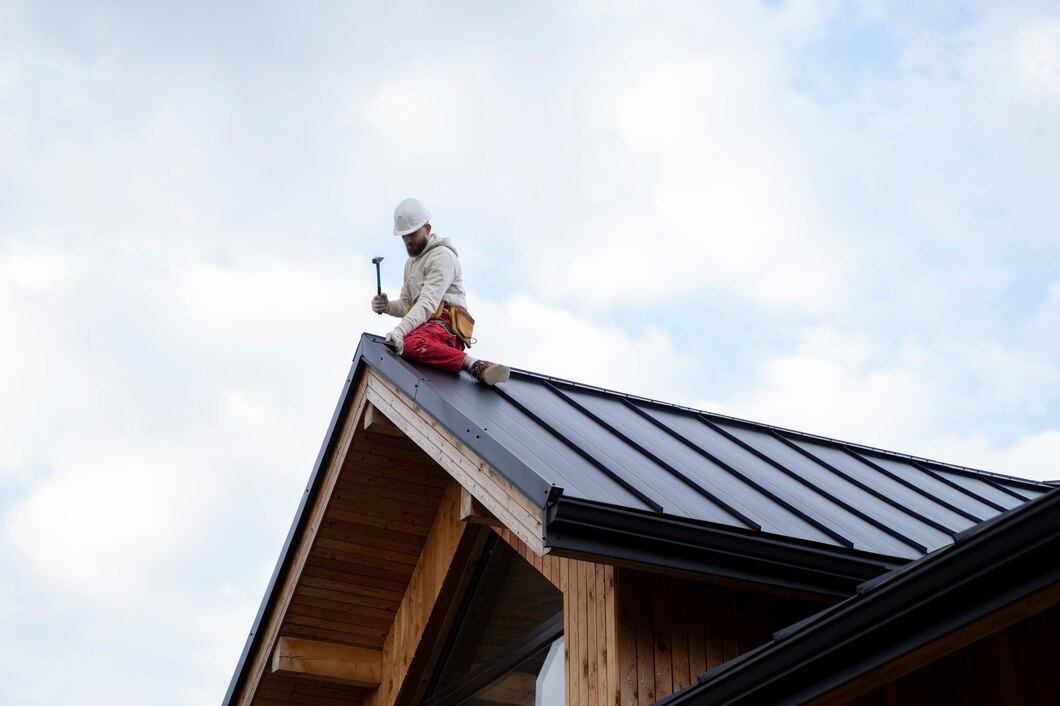
Benefits of Professional Attic Ventilation & Insulation
Our professional attic ventilation and insulation services ensure your home stays cooler in summer, warmer in winter, and healthier year-round.
Lower Energy Bills
Keeps your home temperature stable, reducing HVAC strain.
Roof Protection
Prevents premature aging of shingles due to trapped heat.
Moisture Control
Proper airflow prevents condensation and mold growth.
Healthier Indoor Air
Helps keep allergens and pollutants out of your living space.
Step-by-Step Attic Ventilation & Insulation Process
From choosing the right insulation and ventilation materials to a thorough final inspection, our process ensures your attic performs at peak efficiency.
Comprehensive Attic Inspection & Assessment
We begin with a thorough attic check, measuring insulation thickness, checking for ventilation openings, and identifying signs of heat or moisture buildup. Humidity levels are measured, and any ventilation blockages are noted to ensure we address all problem areas.
Customized Material & Solution Planning
Based on our findings, we recommend the ideal insulation type — fiberglass, cellulose, or spray foam — along with ventilation upgrades like ridge vents, soffit vents, or attic fans. All recommendations meet Texas R-value standards for optimal energy efficiency.
Safe Preparation & Professional Installation
We protect your home with coverings before starting work. Intake and exhaust vents are installed or improved to promote proper airflow, followed by precise insulation placement to eliminate gaps and achieve even coverage throughout your attic.
Final Quality & Efficiency Check
After installation, we conduct a full inspection to verify insulation thickness, ventilation performance, and improved energy efficiency, ensuring your attic system will keep your home comfortable year-round.
Cost of Attic Ventilation & Insulation
Attic insulation and ventilation costs depend on the size of your attic, the materials selected, and the scope of installation or repairs.
| Service Type | Average Cost |
|---|---|
| Attic Ventilation Installation | $300 – $900 |
| Attic Insulation (per sq. ft.) | $1.50 – $3.50 |
| Full Attic Ventilation & Insulation Package | $2,000 – $5,000 |
Factors Affecting Cost
- Attic size and accessibility
- Type of insulation (fiberglass, cellulose, spray foam)
- Ventilation method (ridge vents, soffit vents, powered fans)
- Labor and installation complexity
Common Attic Ventilation & Insulation Mistakes to Avoid
- Blocking Ventilation with Insulation: Covering vents with insulation can trap moisture and heat.
- Using Too Little Insulation: Thin insulation allows heat to escape in winter and enter in summer.
- Skipping Ventilation: Insulation without ventilation can cause mold and roof damage.
- DIY Installation Without Air Sealing: Air leaks reduce insulation effectiveness and waste energy.
Frequently Asked Questions
Find answers to common questions related to attic ventilation and insulation.
How do I know if my attic has poor ventilation?
Signs include high energy bills, uneven room temperatures, roof shingle damage, or musty odors.
What is the ideal attic insulation level for Texas homes?
The U.S. Department of Energy recommends R-30 to R-60 for most Texas homes.
Will better ventilation make my home colder in winter?
No — proper ventilation controls moisture and heat buildup without affecting indoor comfort.
How long does installation take?
Most projects take 1–2 days depending on attic size and complexity.
How often should insulation be replaced?
Fiberglass and cellulose can last 20–30 years, but should be checked every few years for settling or damage.
Does attic ventilation help with summer cooling costs?
Yes — it reduces attic heat, making it easier for your AC to keep your home cool.
Why Choose Us for Attic Ventilation & Insulation?
Experienced Professionals
ears of hands-on commercial roofing expertise.
Energy-Efficient Materials
Save money on heating and cooling
Transparent Pricing
There are no hidden charges or fees ever.
Warranty Protection
All work is backed by strong warranties.
Attic Ventilation and Insulation Services in Your City
Schedule Your Free Attic Inspection Today
Protect your roof, reduce your energy bills, and improve your home’s comfort with professional attic ventilation and insulation services.
